

How to Trim an Orange Tree: Complete Step-by-Step Guide

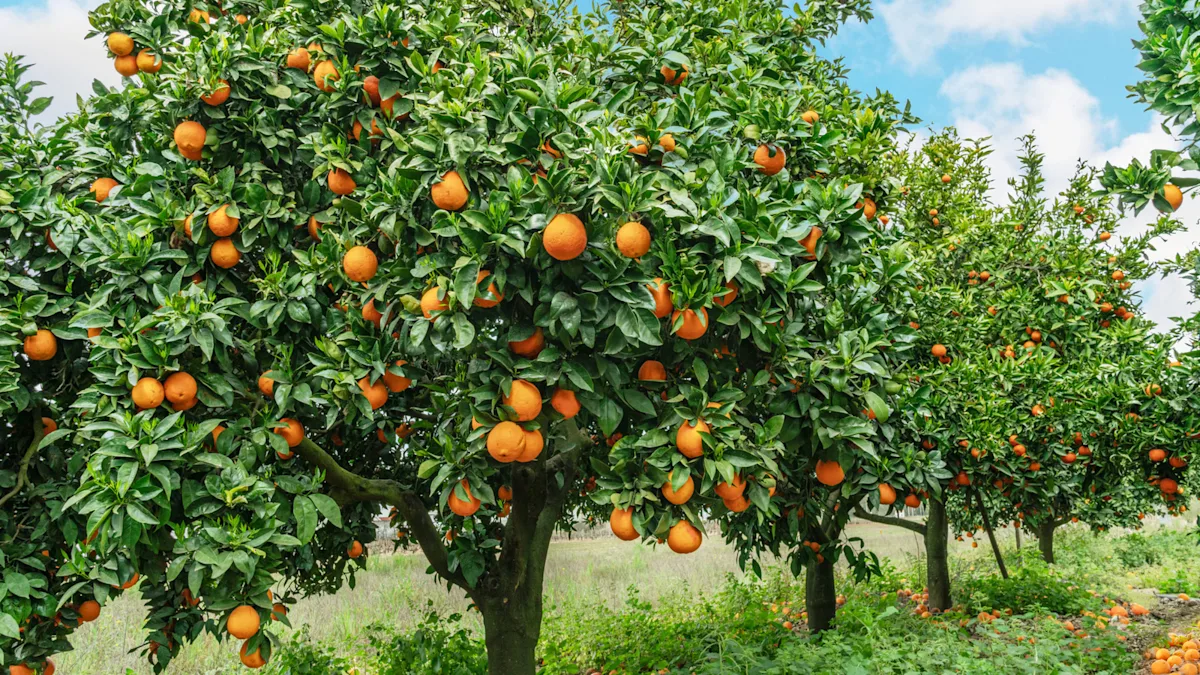
Orange trees are beautiful, productive, and long-lasting fruit trees. However, proper pruning is essential to keep them healthy, productive, and visually appealing. If you want better fruit quality, stronger branches, and consistent growth, learning how to trim an orange tree correctly is crucial.
This guide explains when, why, and how to prune your orange tree safely and effectively.
Why Trimming an Orange Tree Is Important

Many people think orange trees don’t need pruning, but trimming offers several important benefits:
1. Improves Fruit Production
Removing dead or weak branches allows the tree to focus energy on producing healthy fruit instead of maintaining damaged growth.
2. Enhances Tree Health
Trimming removes diseased, dead, or pest-infested branches, preventing problems from spreading.
3. Improves Air Circulation
Better airflow reduces fungal diseases and allows sunlight to reach inner branches.
4. Maintains Shape and Size
Pruning keeps the tree manageable and prevents overcrowding.
5. Prevents Branch Breakage
Weak or overloaded branches can break under fruit weight. Trimming strengthens the tree structure.
Best Time to Trim an Orange Tree

Timing is critical when pruning citrus trees.
Ideal Time:
Late winter to early spring (after the last frost but before new growth begins)
Avoid Pruning During:
-
Active fruiting season
-
Extreme heat
-
Frost periods
-
Late fall or early winter
Pruning at the right time ensures faster healing and healthy regrowth.
Tools You Need to Trim an Orange Tree
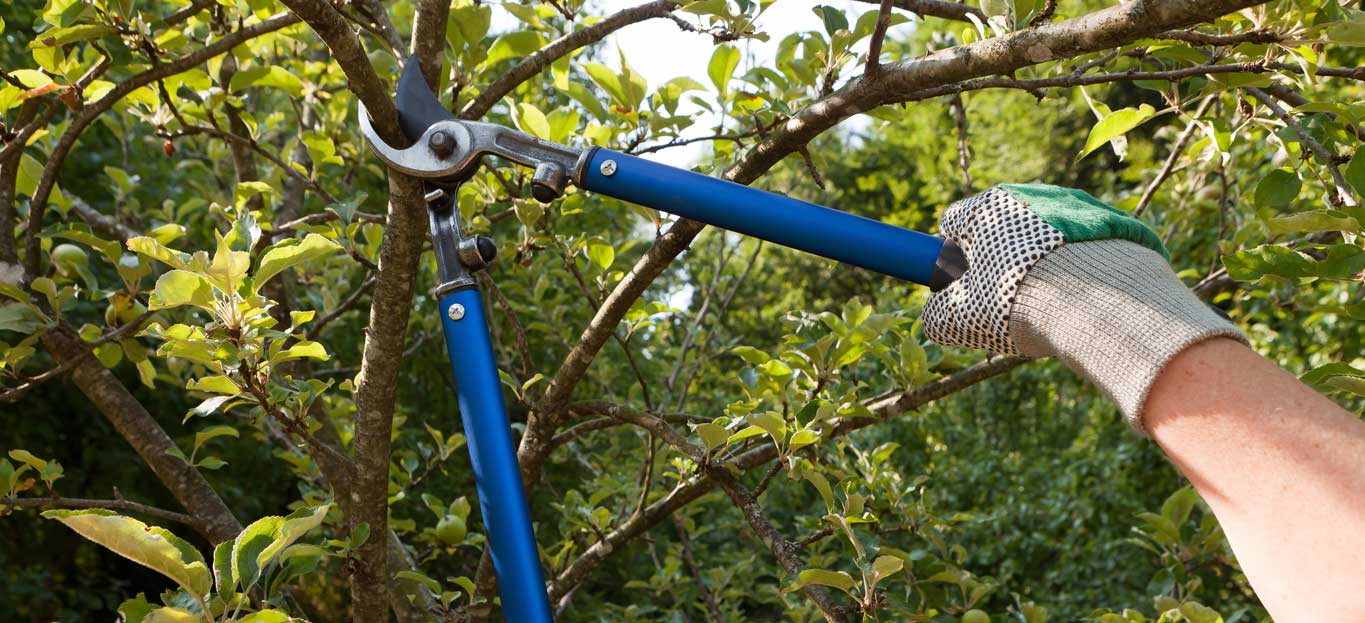
Using the right tools makes pruning easier and safer.
Essential tools include:
-
Hand pruners (for small branches)
-
Loppers (for medium branches)
-
Pruning saw (for thick branches)
-
Gardening gloves
-
Disinfectant (to clean tools and prevent disease spread)
Always use sharp, clean tools to avoid damaging the tree.
Step-by-Step Guide: How to Trim an Orange Tree

Follow these steps carefully for the best results.
Step 1: Remove Dead and Diseased Branches
Start by identifying:
-
Dead branches (dry, brittle, no green inside)
-
Diseased branches
-
Broken branches
Cut them completely back to the healthy wood.
This improves tree health immediately.
Step 2: Remove Suckers and Water Sprouts
Suckers grow from the base of the tree, while water sprouts grow straight upward.
These branches:
-
Do not produce fruit
-
Waste tree energy
Remove them completely at their origin.
Step 3: Trim Crossing and Rubbing Branches
Branches that cross or rub against each other can cause wounds and disease.
Remove:
-
Weak crossing branches
-
Inward-growing branches
This improves airflow and structure.
Step 4: Thin Out Dense Areas
If parts of the tree are too thick, sunlight cannot reach the inner branches.
Remove selected branches to allow:
-
Better light penetration
-
Improved air circulation
-
Stronger fruit production
Avoid over-pruning.
Step 5: Maintain Tree Shape
Trim branches to maintain a balanced, open shape.
The ideal orange tree shape is:
-
Open center
-
Evenly spaced branches
-
Strong main structure
Do not cut more than 20–25% of the tree at once.
Common Mistakes to Avoid

Avoid these common pruning errors:
1. Over-Pruning
Removing too much weakens the tree and reduces fruit.
2. Pruning at the Wrong Time
This can reduce yield and expose the tree to disease.
3. Using Dull Tools
Dull tools damage branches and slow healing.
4. Ignoring Diseased Branches
Diseases can spread quickly if not removed.
5. Cutting Too Close or Too Far
Make clean cuts just above branch collars.